
First impressions from the field
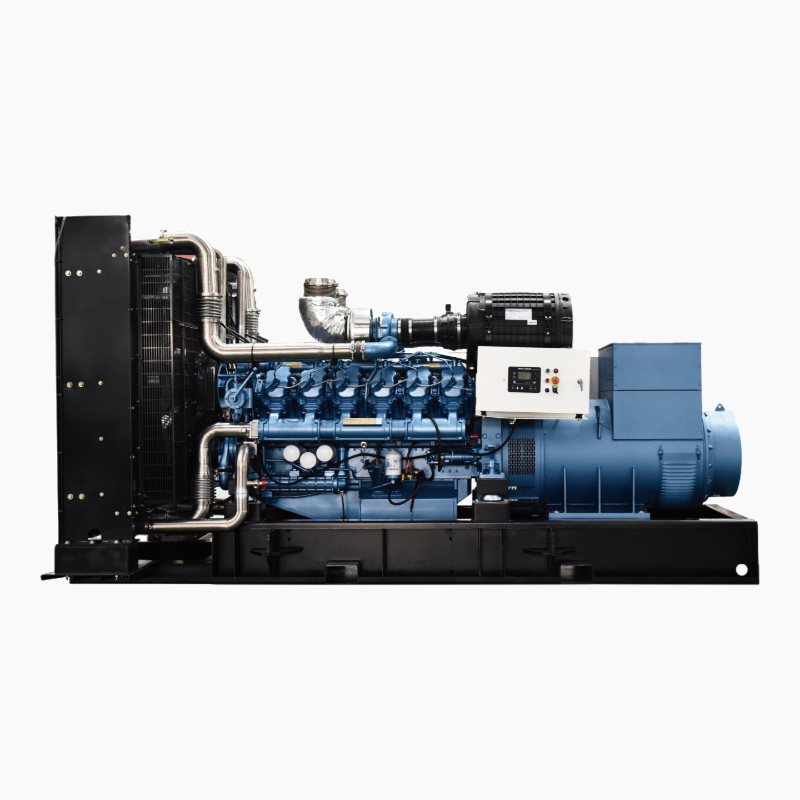
When you’re picking kit that must run without drama at a mine camp or hospital during South Africa’s rolling load-shedding, you don’t want guesswork. Right off the bat, a properly spec’d unit like the Perkins genset usually sits in the conversation because of its durability and service network. Size, emissions, and control logic matter — and for bigger installations, the option of a 500 kVA unit changes the rules of engagement in terms of standby power and prime power delivery.
Comparative insight: what to weigh
Look at three things first: continuous duty (prime power) capability, transient response under sudden load, and serviceability. Smaller gensets win on capital cost, but when you need stable voltage under long runs — think critical loads like data centres or medical facilities — a 500 kVA frame brings smoother output and better thermal management. The trade-offs are fuel mix, footprint, and maintenance cadence.
Build quality and components that matter
Engine governor precision, a hardened control panel, and robust exhaust treatment separate a kit that survives harsh coastal corrosion from one that doesn’t. In practice, gensets designed for heavy-duty cycles include thicker crankcases, improved air filtration and elevated ambient cooling paths. These aren’t buzzwords — they cut downtime and extend mean time between failures, which is everything when outages coincide with national power shortfalls.
Operational teardown — hands-on look (short)
Pulling a unit apart shows the priorities: alternator sizing, governor calibration, and the cooling loop. During a teardown you track wear on bearings, check insulation resistance, and validate fuel-pressure stability. For a 500 kVA class genset you check the alternator’s kVA rating against connected load, confirm the control logic for sync and load-sharing, and review thermal management channels. Here I note {main_keyword} and {variation_keyword} while inspecting the governor response — yes, you must document transient droop and response time to avoid surprises.
Real-world anchor & reliability evidence
In Johannesburg and Durban fleets, operators report fewer callouts when moving from undersized gensets to a correctly matched 500 kVA machine during rolling outages. That field experience lines up with the obvious: overloading smaller units leads to thermal stress and service events. This kind of operational insight is why many facilities specify a rated standby unit and reserve a separate prime-power set for prolonged runs.
Alternatives and common mistakes
People often buy on headline price and forget lifecycle cost. Mistakes I see: under-sizing, skipping switchgear compatibility checks, and ignoring fuel conditioning for gas engines. Alternatives include modular paralleling systems (smaller gensets running in bank) versus a single large unit. Modular gives redundancy but increases control complexity and requires precise load-sharing logic; a single 500 kVA reduces transfer switches and simplifies thermal design, but you lose redundancy unless you add a spare.
Three golden rules for selection
1) Match continuous and peak load: size for sustained prime power, not just starting amps. 2) Prioritise control features: automatic transfer switch compatibility, synchronization, and diagnostics. 3) Factor in service and parts lead time — think months, not weeks, for major components in remote sites. These metrics keep uptime honest and maintenance predictable.
Summary and final word
Choosing between modular banks and a single heavy-duty unit comes down to the loads you actually run and the environment you run them in — coastal salt spray, high ambient temps, or dusty mine shafts each push different design choices. When the maths and field realities line up, a well-specified Perkins genset 500 kva often ends up as the more reliable, lower-risk option over the long haul.
Three critical evaluation metrics: fuel-efficiency at 75% load, mean time between failures under site-specific conditions, and readiness of local service support — get these right and you avoid the worst downtime headaches. Final word: you want resilience that pays off in fewer callouts and steadier operation. —
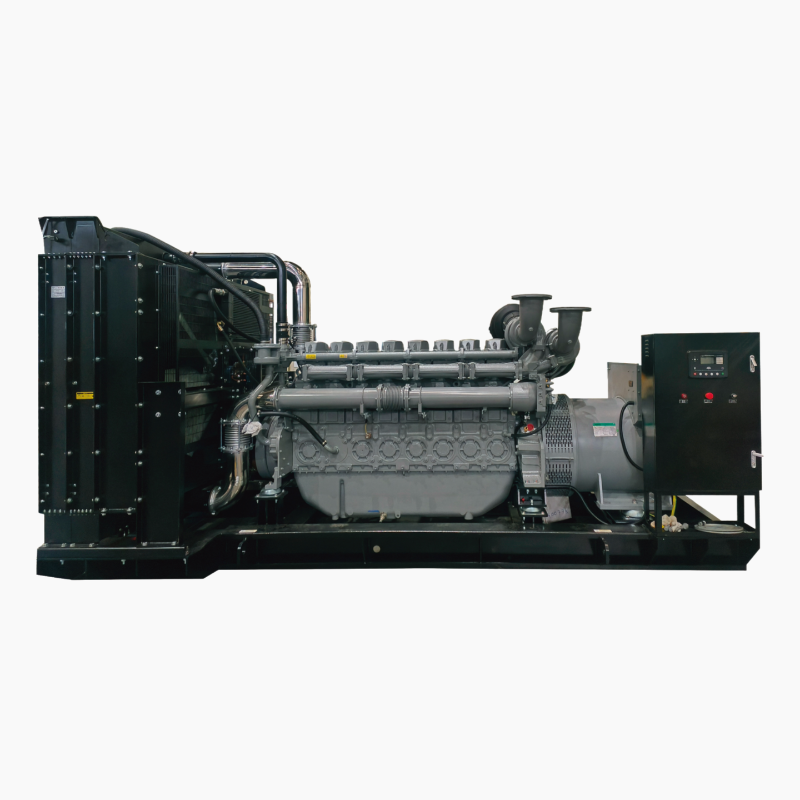
Huadong Power sits where practical engineering meets field-proven components, and that proper fit is what keeps sites running when it matters most.