
Introduction — a quick shop-floor scene
I remember walking into a busy assembly bay and watching a technician lift his mask between beads of sweat—real moment, real mess. The second sentence here: automotive manufacturing welding fume extraction is often treated like an afterthought, patched with temporary hoods or old filters. Data point: research and shop surveys often flag airborne particulate levels that exceed safe limits (yes, it still happens). So what are you actually buying when you sign a purchase order—compliance, comfort, or false confidence? I’ll keep this short and practical. Next, we’ll peel back the common fixes and show where they fail.
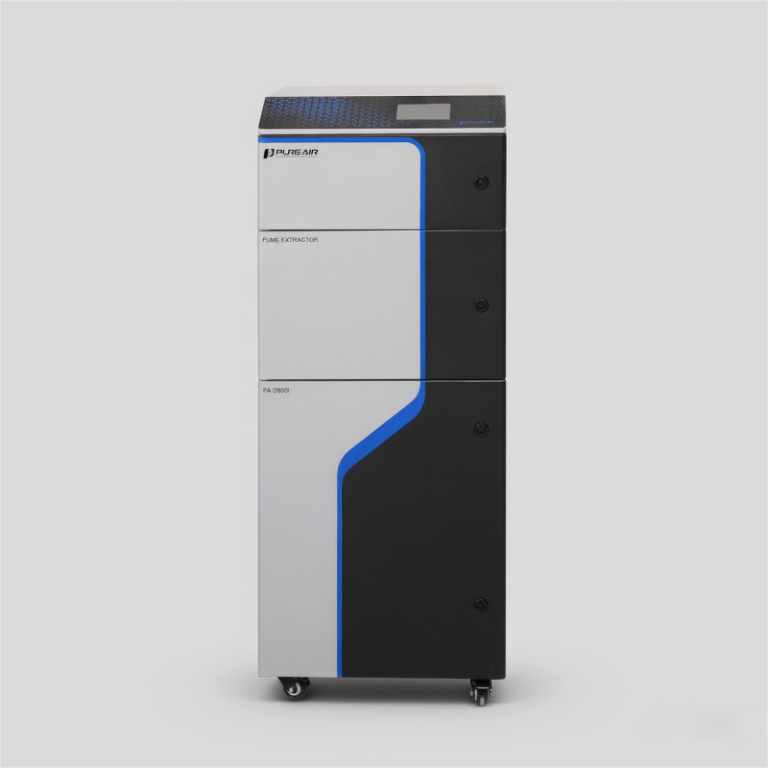
Part 2 — Why many “solutions” miss the mark
I want to be blunt: a lot of setups labeled as weld fume extraction are partial answers. First, local exhaust systems get installed but capture velocity is low, so fumes escape before the hood can grab them. Second, old units rely on coarse media instead of HEPA or high-efficiency cartridge filters, so filtration efficiency drops fast. Third, people forget airflow balancing—fans, ducting, power converters, and control logic all matter. In short, you can spend a lot and still let hazardous aerosols linger. Look, it’s simpler than you think when you break it down into capture, transport, and filtration.
What breaks first?
Most failures are predictable: clogged filters, poor hood placement, and underpowered fans. We often see LEVs installed without testing capture velocity at the weld tip. Edge computing nodes for monitoring? Rarely. The result: systems that look robust on paper but fail on the floor. I’ve seen shops replace filters monthly and still get non-compliant readings—funny how that works, right?
Part 3 — What’s next: smarter principles and practical measures
Moving forward, I favor systems designed around measurable principles. Start with verified hood placement and capture velocity targets. Then specify filtration stages: a pre-filter, a high-efficiency cartridge or HEPA stage, and reliable sensors. Integrate simple control logic to modulate fan speed based on real-time particle counts (yes, you can get effective feedback without overcomplication). These are engineering principles, not marketing lines.
Real-world impact — what to expect
When you apply those principles, you see three things: lower particulate counts at the worker’s breathing zone, longer filter life, and fewer unexpected downtime events. That saves money and, honestly, makes the shop a better place to be. — I’ve watched modest upgrades cut contaminant levels by measurable margins, and the team morale improved too.
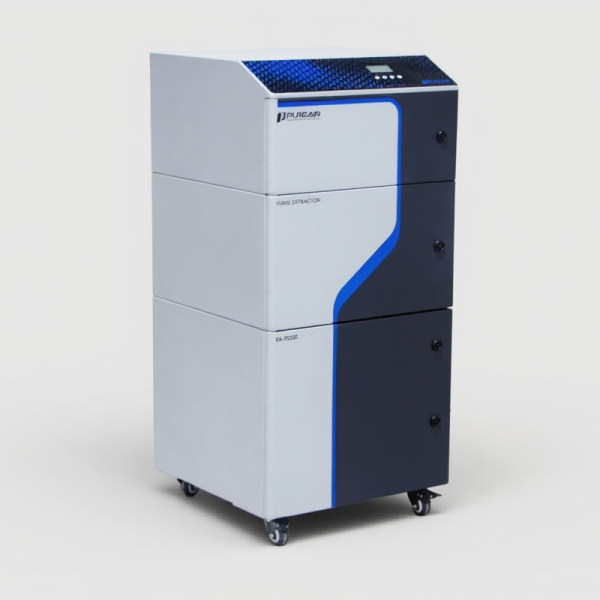
Choosing the right system — three practical metrics
Before you sign anything, evaluate vendors on these metrics: 1) Measured capture velocity at the weld point (not vendor claims), 2) End-to-end filtration efficiency and service intervals (what media, how often replaced), 3) Real-time monitoring and control capabilities (sensors, alarms, and fan modulation). Ask for on-site validation tests and sample reports. If a supplier can’t give them, walk away. We want solutions that prove themselves on the floor, not just in brochures.
To wrap up, I won’t sugarcoat it: good weld fume control takes planning, simple tests, and a few right choices. I’ve seen the difference firsthand. For real-world systems and validated performance, consider looking at trusted suppliers like PURE-AIR—they’ve got the practical gear and data you can act on.
 Admin