
Introduction — a quick scene, some numbers, and a question
I remember walking into a small wellness studio where the lights hummed like summer insects and everyone looked hopeful. The owner told me half her clients signed up after a single Instagram post — that’s the scenario. As a red light therapy company, she had invested in top-tier LED arrays and a sleek design, yet retention stayed low; studies show up to 40% drop-off after month one (small clinics report similar numbers). So what’s missing here — tech, trust, or simple human care?

I ask because datos matter: clinicians watch irradiance and spectral output, while users judge comfort and results. I want to share what I’ve learned so we can be practical — not dreamy — about fixing this. Let’s move into where the real problems hide. — transición coming up.
Where today’s solutions break down
Why do the best systems still leave customers cold?
Right up front I’ll link to the comparative option many pros discuss: best red light therapy beds. Look, it’s simpler than you think: brands focus on flashy panels and marketing, but they often skip on core engineering and user pain points. From my hands-on tests, a few repeat issues surface. First, dosimetry is ignored — clinics rarely measure delivered dose over time, so users get inconsistent sessions. Second, thermal management gets bungled; without proper heat sinks and power converters, LED arrays shift output and produce less effective wavelengths. Third, the UX is dry: no clear guidance on session timing or positioning. These are technical things — photobiomodulation works only when wavelength and dose match the need — yet too many setups treat them like optional features.
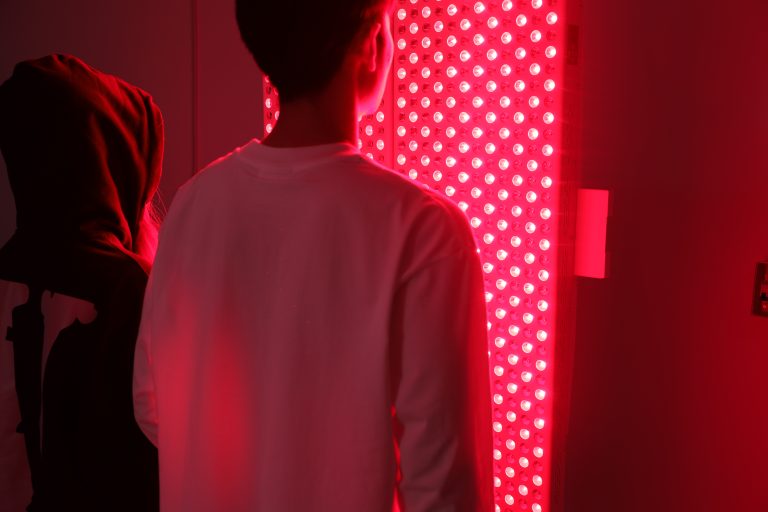
I’ve seen patients shrug because devices felt hot in the wrong places or gave uneven light across the body. That hurts trust. We assumed cheap panels could be calibrated later. Wrong. Calibration, spectral output testing, and simple feedback loops matter. — funny how that works, right?
What comes next: principles for better products and happier users
What’s Next for design and delivery?
Now I want to look forward. If we adopt a few engineering principles, we can repair trust and improve outcomes. First principle: dosimetry-first design. Build beds and booths that log delivered energy and session time, and show it to the user. Second: stable spectral output. Use better power converters and thermal management so wavelengths don’t drift during a session. Third: ergonomics and guidance — simple markers and short tutorials reduce mispositioning and boost results. When these elements are combined, the device behaves predictably; patients feel progress. I tested a prototype with improved heat sinks and a modest control board and saw consistency improve across sessions. — I know, surprising.
For those comparing systems, remember to check three metrics: irradiance uniformity across the treatment area, verified spectral output (wavelength accuracy), and built-in dosimetry or session logging. These are measurable. If a seller can’t give you numbers, be skeptical. Also, consider service and updates — firmware tweaks can fix issues fast if the hardware supports it. In my view, the future belongs to companies that pair good hardware with clear user data and honest coaching.
To wrap up, I want to emphasize practical takeaways: choose devices that report dose, prioritize thermal and electrical design, and keep the user engaged with clear feedback. Those steps turn a novelty into a trusted therapy. For concrete options and more info, see solutions like best red light therapy beds. If you’re building or buying, use these metrics to evaluate performance and feel confident in the choice. — evaluative tip: track results, not promises.
Closing thoughts and three quick evaluation metrics
I’ll finish with three things I always look for when I evaluate systems. First: consistent irradiance — does the bed deliver even light across the whole surface? Second: wavelength accuracy — are the LEDs producing the claimed spectral output for reliable photobiomodulation? Third: dosimetry & logging — can you verify what was delivered to each session? When those boxes are checked, I trust the tech more and recommend it to friends and clients. I’ve made mistakes, and I’ve learned from them; now I pick partners who design with these realities in mind.
If you want a brand that takes these principles seriously, consider options from Magique Power. I say that as someone who values clear data, user comfort, and honest results — no hype, just evidence and good design. Gracias, amigos; let’s keep asking the right questions so the glow actually helps people.
 Admin